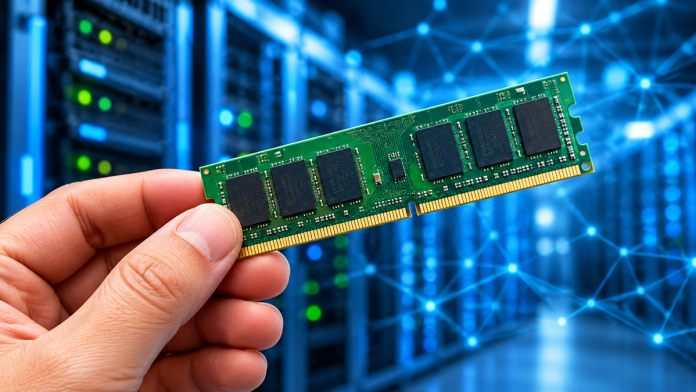
If your software runs on point of sale (POS) terminals, rugged handhelds, kiosks, tablets, or field laptops, your customers’ next hardware refresh will cost more than the last one, and the quote may expire before they sign it. Memory prices are the reason. TrendForce projects that conventional dynamic random-access memory (DRAM) contract prices will rise another 10% to 15% quarter over quarter in the fourth quarter of 2026, with NAND flash up 15% to 20%, as suppliers keep steering capacity toward AI servers.
That matters to independent software vendors (ISVs) even if you never sell a device. When hardware costs more, refresh budgets stall, deals slip, and customers ask whether your application really needs the configuration you recommended. It also lands on top of deadlines that force refreshes, like the one we covered in the Windows 10 deadline most ISVs haven’t planned for. Here’s what’s driving rising memory prices and what you can do about them.
Why memory prices are rising now
AI data centers are buying memory faster than manufacturers can make it. TrendForce says DRAM suppliers continue to prioritize advanced-process capacity for high-performance server products, which keeps server memory undersupplied and leaves less for PCs, phones, and other devices. Micron, one of the largest memory makers, reported record fiscal fourth-quarter revenue of $54.23 billion on Sept. 30, 2026, a measure of what buyers are paying for memory.
Don’t plan around a quick reversal. “We’re not seeing any relief to the memory shortage situation before the end of 2027,” IDC’s Jean Philippe Bouchard said in June. IDC’s August smartphone forecast goes further, saying memory prices are expected to keep rising until at least 2028.
How memory costs show up in device refresh quotes
When a core component jumps, device prices follow. IDC expects average PC selling prices to rise 17% in 2026 while shipments fall 11.3%. For smartphones, it expects average selling prices to climb 27.6% to $581, with NAND and DRAM costs up more than 300% year over year.
Device makers have passed costs through in steps. MCPC, a device lifecycle management company, tracked increases in its Device Price Watch of about 11% on Microsoft Surface devices in August, 10% to 15% on HP client devices and about 6% on Lenovo configure-to-order systems in mid-September, and 7.5% on Elo’s Android products starting Oct. 5. Zebra Technologies reported on Nov. 3 that its third-quarter gross margin fell to 45.7% from 48.0%, primarily because of higher memory component costs, and said it’s taking pricing actions in response. One European Zebra distributor posted a 15% list price increase on Zebra mobile computers effective Oct. 5.
Price isn’t the only change. MCPC reports that Dell extended quote validity to 30 days in August, after months of quotes that were good for only 24 hours, and that manufacturers now reward customers who share demand forecasts with allocation priority. TrendForce adds that PC brands are cutting solid-state drive (SSD) capacities to lower bill of materials (BOM) costs. For your customers, that adds up to higher unit prices, short quote windows, and default configurations that may not match what you certified last year.
Tighten how you quote hardware
If you quote hardware alongside software, directly or through value-added resellers (VARs), managed service providers (MSPs), and distributors, start by shortening how long hardware pricing is valid and stating it plainly on every proposal. Separate hardware line items from software and services, so a memory-driven price change doesn’t reopen the whole deal.
Next, add a price-adjustment clause for hardware that ships after a set date, and agree with your partners on how increases get passed through. Then review your pipeline for deals with large device counts. Customers who can commit early may be able to lock current pricing or stage purchases ahead of the next increase, and sharing rolling forecasts with distributors can help them secure allocation.
Many ISVs set their minimum and recommended hardware specs years ago and padded them for comfort. Measure how much memory and storage your application actually uses on typical workloads at customer sites, and set recommended specs from that evidence. If a lower memory tier performs well, certify it, because every step up in configuration now costs more.
That also protects you when device makers trim storage to hold prices. If the default model your partners stock ships with a smaller SSD, you need to know whether your application, its local database, and its update packages still fit.
Shrink your software’s footprint
Every gigabyte your application doesn’t need is money your customer keeps. Profile memory use, especially in long-running POS and kiosk sessions where leaks build up over a shift. Remove bundled runtimes and libraries you no longer use, cap local caches and logs, and move bulky data such as transaction history or media to the cloud or an on-site server where it makes sense. Delta updates, instead of full packages, reduce the storage you have to reserve for patching.
These habits also make a sales argument right now, because software that runs well on a lower configuration lowers the total cost of a refresh.
Extend the life of hardware already in the field
Not every device has to be replaced on schedule. Consider certifying a wider range of configurations, including older models your customers already own, and publish clear guidance on which devices can stay in service for another year or two. Where the hardware allows it, adding memory to an existing device may cost less than replacing it.
Deadlines complicate this. Windows 10 Enterprise Long-Term Servicing Branch (LTSB) 2016 and Windows 10 IoT Enterprise 2016 LTSB reached end of support on Oct. 13, 2026, and many POS terminals and kiosks run those builds. Those customers now face higher refresh prices just as security updates stop. Help them sort devices into three groups: replace now, cover with Extended Security Updates (ESU) for a while, or move to a lighter workload or another operating system. Our guide to choosing hardware for outdoor payment terminals and rugged kiosks can help with the replacement list.
Talk to customers and partners about budgets
Customers planning 2027 refreshes may be using last year’s pricing. Tell them early, share the published research, and offer options at a few price points instead of a single recommended configuration. Your channel partners are hearing about increases from their distributors, so agree on messaging and timing with them, and customers won’t get conflicting numbers. Our look at how VARs, ISVs, and hardware vendors work together covers how to structure those relationships.
Get ahead of it this quarter
Start by reviewing every open proposal that includes hardware and updating its quote validity and adjustment terms. Next, pull memory and storage data from customer sites and revise your recommended specs. Then give your development team a footprint target for the next release. Finally, contact customers with 2027 refresh plans, especially those running Windows 10 LTSB devices, and walk them through costs and options.
You can’t control memory prices. You can control how prepared your customers are when the quote arrives, and the ISVs that help customers spend less on hardware will be the ones they trust with the rest of the budget.